Project Play turned court booking into a faster, clearer, more social product experience.
Project Play needed more than a booking screen. The product had to help players find nearby padel and pickleball courts, reserve slots, coordinate matches, manage payments, and keep club operations visible behind the scenes.
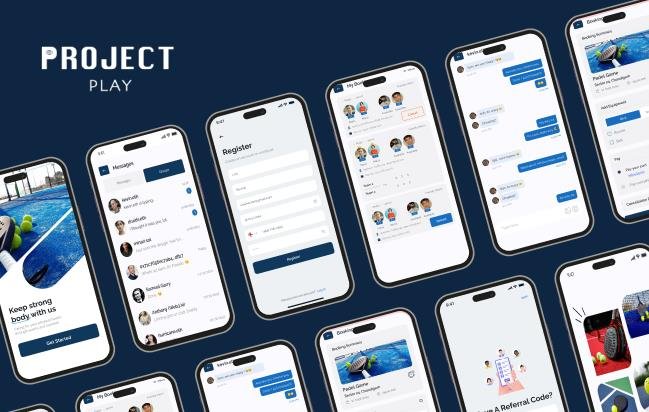
A full booking product, not just a mobile interface.
The product needed to connect multiple moving parts: live court availability, player search behavior, match creation, friend requests, secure payments, rewards, equipment add-ons, and admin visibility for the people operating the courts.
We shaped the case study around the product decisions that matter to a buyer: how the app reduces friction for players, how the operating team can manage availability and pricing, and how the overall experience supports repeat usage.
From sports workflow to launch-ready product system.
Discovery
Clarified the business goal, user behavior, booking model, and operator needs.
UX design
Mapped court search, slot selection, match creation, profile, and payment journeys.
Development
Structured mobile and web workflows around reliable booking and admin control.
Testing
Checked booking states, payment paths, availability behavior, and core user flows.
Launch
Prepared the product for real users across mobile stores and the public website.
The hard part was making a complex sports operation feel simple.
Availability confidence
Players need up-to-date court status before they commit to a slot.
Payment clarity
Booking and refund behavior needs to feel predictable for groups and operators.
Dynamic pricing
Operators need flexibility for demand, seasons, time bands, and slot rules.
Performance
Court data, maps, friends, and schedules have to load without slowing the journey.
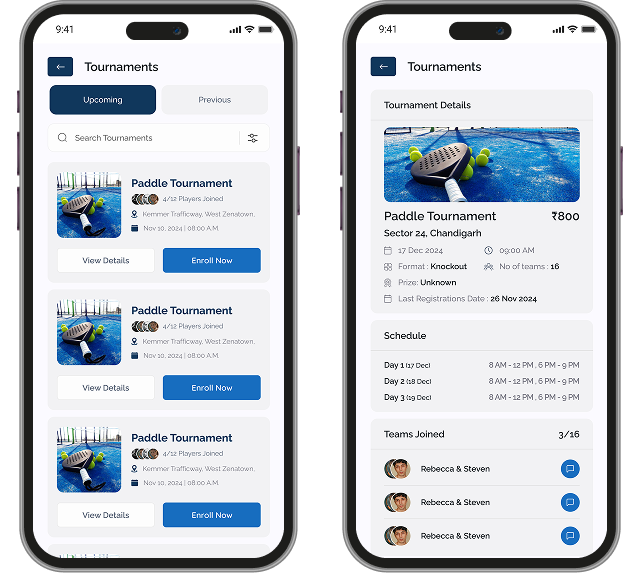
Make every step of playing easier.
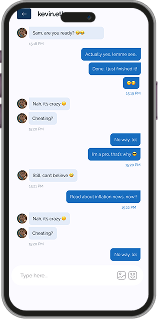
The vision was to remove the back-and-forth that usually happens around court booking: checking availability, confirming time slots, coordinating players, paying securely, and staying updated if plans change.
Project Play creates one connected routine: discover nearby courts, view availability, book a slot, invite players, manage match details, earn rewards, and return for the next game.
The product system behind the booking experience.
Court discovery
Nearby courts, location context, map behavior, and easier comparison before booking.
Real-time booking
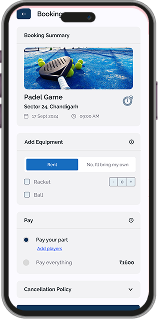
Availability, slot selection, confirmation, and payment paths shaped for lower friction.
Match coordination
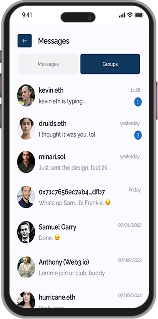
Friend requests, match creation, invitations, and social features for repeat play.
Rewards loop
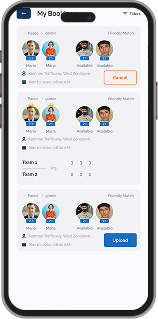
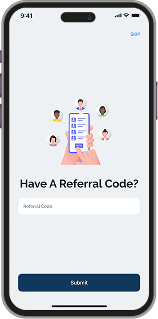
Score uploads, referral moments, loyalty rewards, and discount-driven engagement.
Pricing logic
Support for slot-specific, time-based, day-based, and seasonal pricing decisions.
Admin workflows
Operational views for calendars, bookings, pricing, and customer-facing availability.
A clearer product for players and a stronger operating layer for clubs.
The outcome was a booking experience that looks credible, explains the value quickly, and gives the product more room to scale across locations, users, and booking rules.
Simpler booking decisions
Players can move from discovery to reservation with fewer unclear steps.
Cleaner payment flow
The payment model supports more reliable slot confirmation and smoother operations.
More flexible operations
Pricing and admin workflows help operators adjust around real booking conditions.
Performance-focused UX
Caching, lazy loading, and lighter payload decisions support a faster user experience.
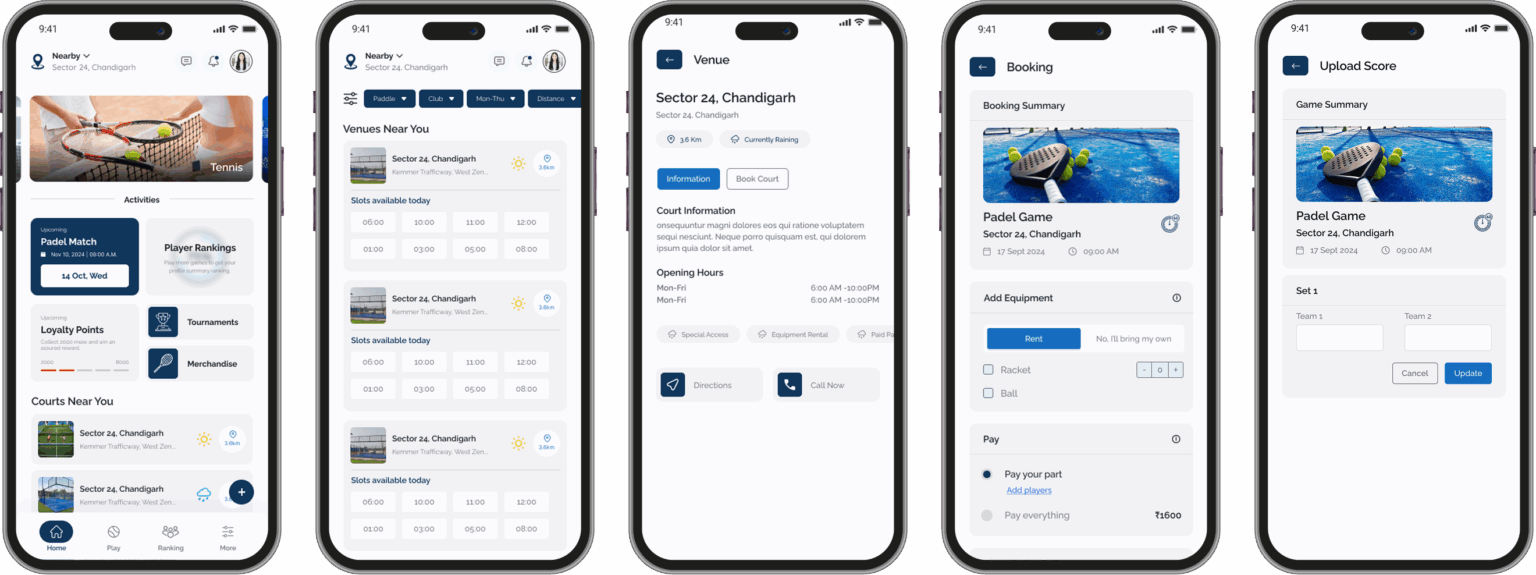
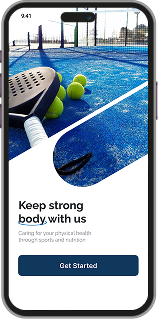
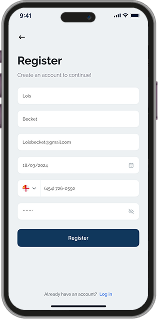
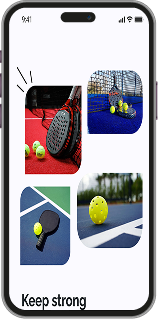
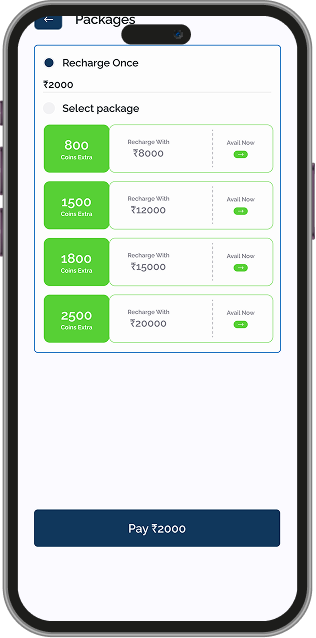
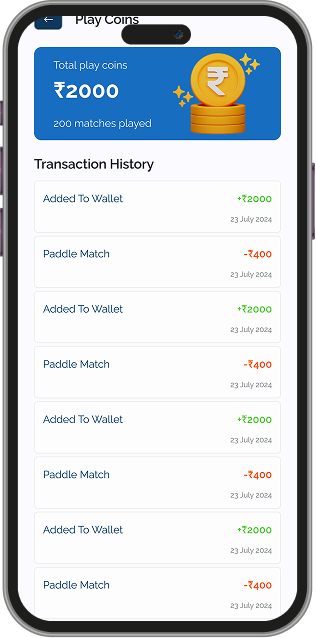
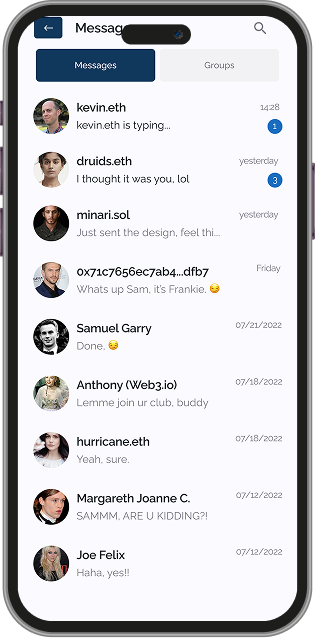
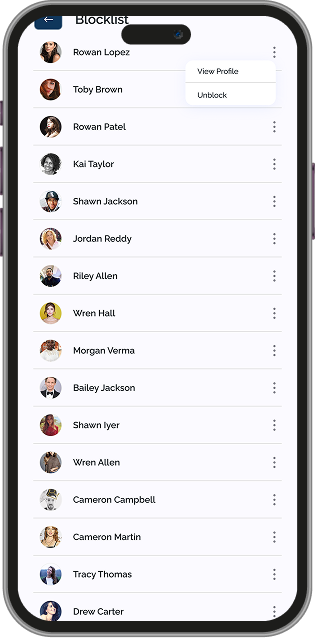
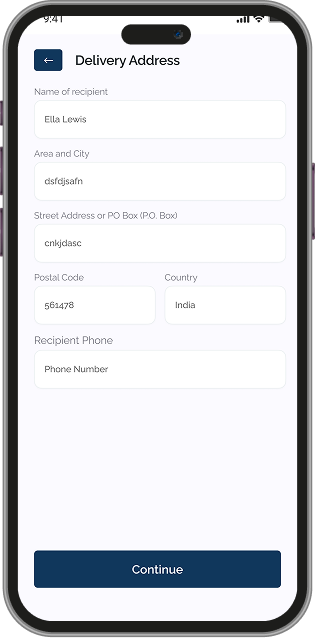
Key mobile screens from the Project Play experience.
A product foundation for speed, trust, and repeat usage.
The case-study materials point to a cross-platform mobile app, MERN-style backend foundation, secure transactions, smart caching, lazy loading, and design decisions built around a simple sports booking routine.



Interface depth for the moments around booking.
How did Project Play make court booking easier?
By bringing nearby court discovery, live slot visibility, booking confirmation, payment, match coordination, and player communication into one product flow.
What problems did the product need to solve?
The product had to reduce manual scheduling, clarify availability, support payments and refunds, handle changing price rules, and keep the experience fast enough for mobile users.
What made the admin side important?
Club operators need reliable tools for availability, calendar views, pricing rules, and booking visibility. Without that layer, the customer-facing app cannot stay accurate.
Can Acode Studio build a similar app?
Yes. We can help with product strategy, UI/UX, mobile app development, web dashboards, booking flows, and launch-ready conversion pages.
Need a booking app, marketplace, or operations dashboard?
We can help you turn a complex service workflow into a product people understand quickly and use confidently.
Book a Similar Project